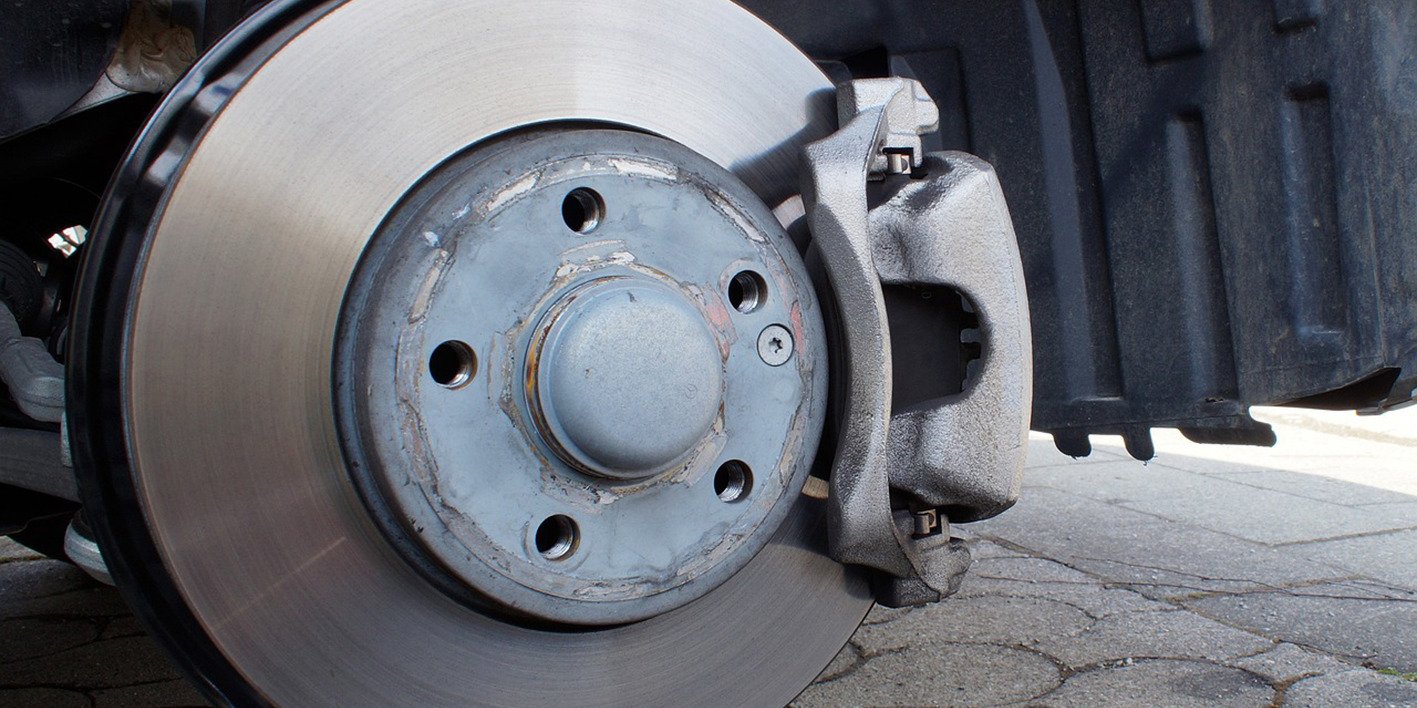
False information tends to arise in almost every subject and is then spread from person to person. That's why Steinhof presents the 5 most common myths about brake pads.
The braking system is one of the most important components in every vehicle. The ability to stop effectively is one of the foundations of road safety. Because of this, drivers and mechanics should pay special attention to the technical condition of their brakes. However, many myths about this topic have developed over the years, which we'll now debunk.
Myth #1 — Sport Brake Pads Brake Better
Sport brake pads perform optimally within strictly defined temperature ranges set by their manufacturer. These are usually much higher than the optimal range for standard pads. As a result, driving mainly in the city or outside it, without dynamic braking every few moments, means sport brake pads can actually be less effective. For typical everyday driving, high-quality Steinhof replacement pads are a much better choice.
Myth #2 — Budget Brake Pads Dirty Your Wheels
A common myth is that dusty wheels prove the friction layer of the brake pad was made from low-quality materials. In reality, pad dust alone has no direct bearing on braking performance. Even very high-quality brake pads produce dust.
Myth #3 — Squealing Brake Pads Indicate Poor Quality
If a brake pad squeals after being installed in the caliper, it's usually the result of an installation error. It's worth checking the caliper for cleanliness and also making sure the pads are seating properly. Steinhof-brand pads come with mounting kits that eliminate potential seating issues.
Myth #4 — Premium Brake Pads Last Record-Breaking Mileages
Many factors affect brake pad durability. One of the main ones is the driver's driving style. If someone puts heavy strain on the braking system, pad wear may accelerate. Rather than focusing on the longevity of brake pads, we should prioritize their performance and resistance to high temperatures.
Myth #5 — You Can Judge Brake Pad Wear Through the Wheel
Assessing wear level only by looking through the wheel gives just a partial view of the braking system's condition — this only lets you see the outer pads. If the pads wear unevenly, the inner one may already need replacing. Removing the wheel and visually inspecting the pads after taking them out of the caliper is the only way to be absolutely certain of their technical condition.