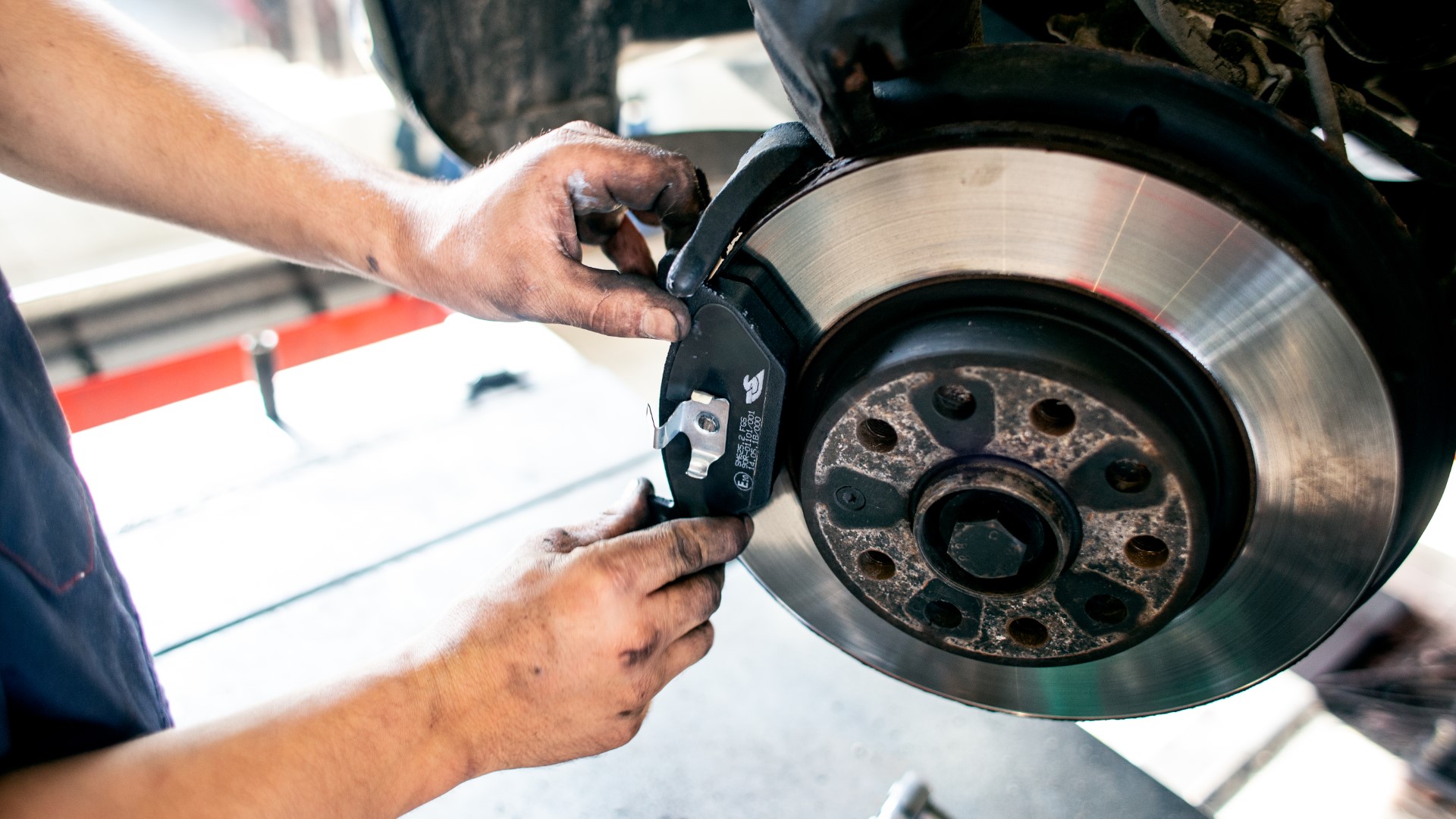
Spreading false information happens in almost every area of life, and the automotive industry is no exception. Myths such as "sport brake pads are definitely better," or mixing different types of parts on the front and rear axles, or assuming that pads which squeal right after installation must be bad, are just a few examples we'll address in this article.
Squealing Brake Pads Mean Poor Quality
These components are replaced either by ourselves or by professionals. Regardless of who performs the installation, it's commonly believed that if the pads make a characteristic squealing sound after being clamped, they must be of poor quality. This is, of course, a fairly popular and widespread myth, as the situation can result from various causes. The most common is improper installation, which leads to squealing brake pads. In such a case, it's worth checking the caliper, including whether it's dirty, and it's also worth choosing parts that come with new mounting kits — this minimizes the risk of installation error on both the front and rear axles.
Sport Brake Pads Are Definitely More Durable
This isn't true. These components do have a different design and specifications, but they aren't suited for everyday city driving. Sport brake pads, as the name suggests, are dedicated to sports cars and designed for hard braking, but they don't perform well in everyday driving.
Are Front and Rear Brake Pads the Same?
It's certainly worth having pads of the same type and from the same manufacturer. It's worth remembering that front brake pads wear about 60% faster, which is why they may need more frequent replacement (a wear ratio of roughly 1:2 is assumed). Therefore, it's a mistaken belief that both front and rear parts must always be replaced at the same time.