Reliable braking is the foundation of road safety — that's why no faults or failures in this area should be taken lightly. Brake pad wear is inevitable in every car, but there are several ways to extend their lifespan. In this article, we present four key aspects that can help reduce wear.
Engine Braking as a Way to Save
This driving technique involves using the natural resistance of the engine to slow the vehicle without using the brakes. To do this, simply reduce engine speed, for example by shifting to a lower gear. Engine braking not only saves fuel but also reduces brake pad wear. Moreover, this method allows for greater control over the vehicle, for example on long descents or slippery surfaces.
When to Replace Brake Pads — the Importance of Regular Inspection
Knowing when to replace brake pads helps keep your car in good technical condition. Manufacturers usually specify an average pad lifespan, but it's worth remembering that actual wear depends on individual driving style and the conditions the vehicle is used in — regular inspection of their technical condition is important. Brake pad sensors are also available on the market, which inform the driver when replacement is needed.
Brake Pad Wear — Always Under Control!
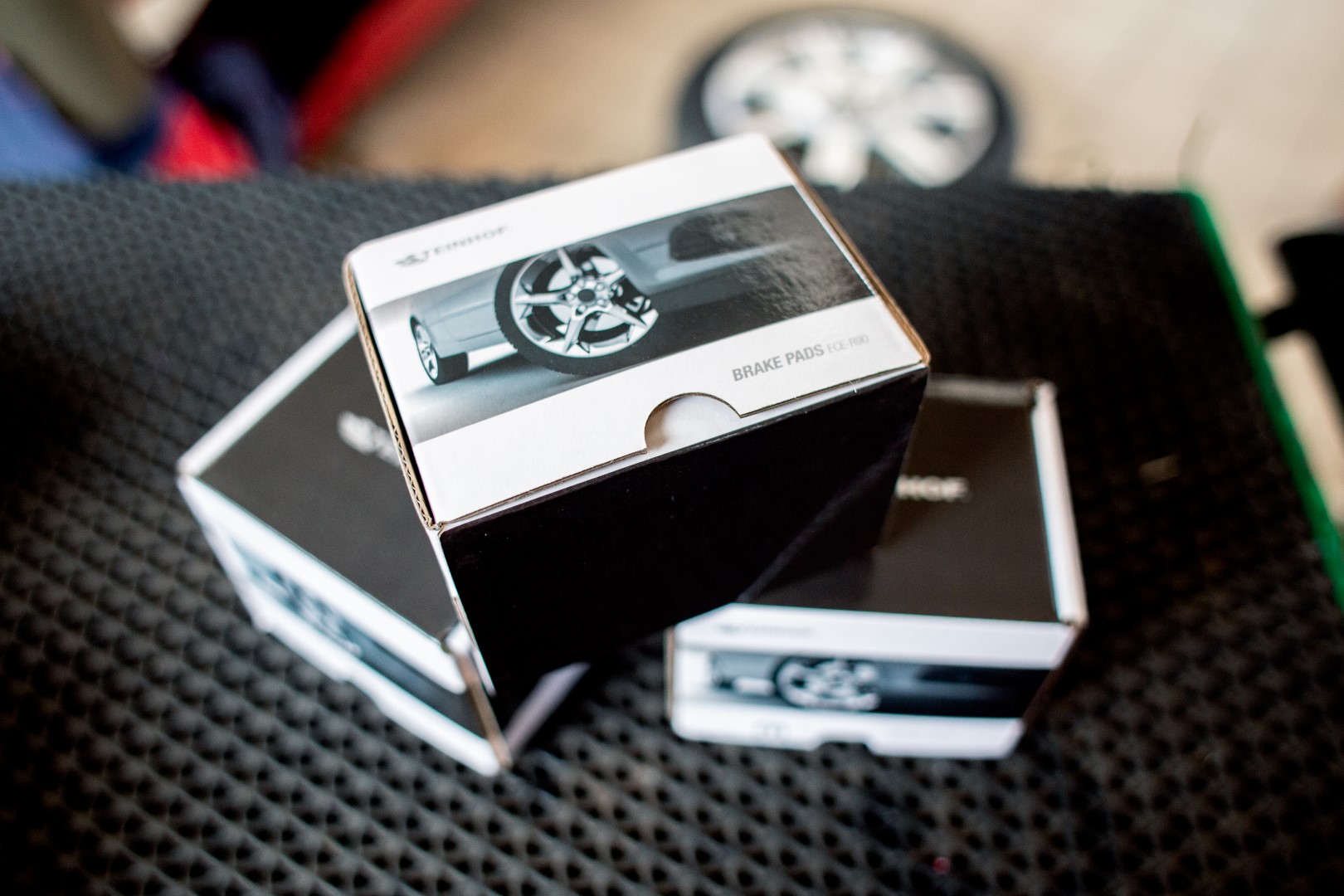
It's worth remembering that driving style has a huge impact on brake pad wear. Calm driving and engine braking can significantly extend their lifespan. Steinhof offers high-quality brake pads for passenger and light commercial vehicles, known for their reliability and extended durability.