Fall and winter are times when road conditions can change rapidly. Rain, wet leaves, frost, and later on, snow and ice reduce tire traction and can significantly increase stopping distance. An additional challenge is the early onset of darkness and limited visibility. That’s why, before the fall and winter season begins, it’s important to check not only your tires and lights, but also the condition of your braking system and ensure proper cabin ventilation.
Braking in Difficult Conditions: What Should You Keep in Mind?
Wet roads, slush, and so-called black ice—a thin layer of ice that is often hard to spot—increase the risk of losing traction. In such conditions, it is especially important to adapt your driving style to the road conditions.
First and foremost, maintain a greater distance from the vehicle ahead, avoid sudden maneuvers, and react to changing conditions well in advance. When driving downhill, it’s a good idea to use engine braking by gradually shifting down through the gears. This helps reduce the load on the braking system.
During emergency braking on a slippery surface, the ABS system helps maintain vehicle control. However, it does not guarantee that the car will stop immediately. That is why it remains so important to anticipate road conditions, maintain a safe following distance, and adjust your speed to the conditions.
A Clean Cabin Air Filter and Driving Safety
Road safety depends not only on working brakes and proper tires. Visibility is also very important, and in the fall and winter, it is often limited by fogged-up windows.
One of the components that affects proper cabin ventilation is the cabin air filter. When it is dirty, it can restrict airflow, making it difficult to effectively defog the windows. It is therefore a good idea to check its condition regularly and replace it according to the car manufacturer’s recommendations.
Check Your Braking System Before Winter
Moisture, road salt, and temperature fluctuations mean that brake pads and rotors operate under demanding conditions in the fall and winter. Before the cold weather sets in, it’s a good idea to check their condition, paying attention to a few key points:
• Brake pad thickness – if the friction material is too thin, the pads need to be replaced. Determine the minimum acceptable thickness according to the manufacturer’s recommendations.
• Even wear – differences in pad wear may indicate problems with the caliper or another component
• Braking effectiveness – concerning symptoms, such as a change in brake pedal feel, vibrations, or unusual noises, require inspection at a service center.
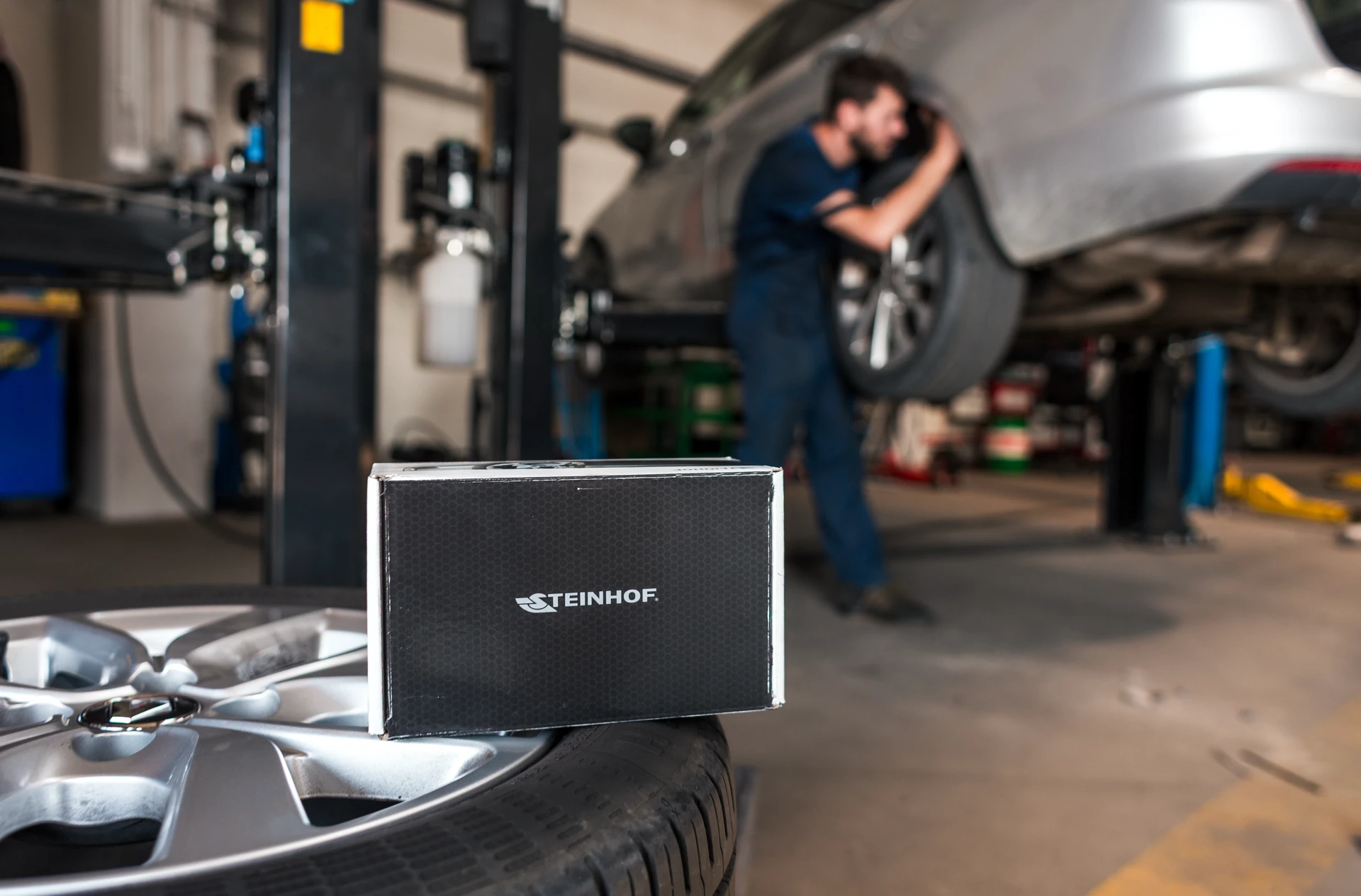
The quality of the parts used is also important. Steinhof brake pads are designed to provide effective braking under a variety of operating conditions. Regular inspection of the system, properly selected parts, and proper driving techniques all contribute to the safety of the driver and passengers.
Get Your Car Ready for Fall and Winter
Before the colder months arrive, it’s a good idea to check the condition of your brakes, tires, lights, and cabin air filter. A well-prepared car and safe driving practices help reduce risks on the road when the weather becomes less predictable.